I answer
questions
with data.
Most of the job is working out what the data can’t tell you.
“Does the landscape change how fast it spreads?”
\[\mu_i = f(\rho_{0,i}) + f(\rho_{1,i}) + f(\rho_{2,i})\]
\[\rho_{j,i} = T + \left(\frac{1}{\zeta_{j,i}}\right) \times D_{j,i} \quad \text{for } j \in \{0, 1, 2\}\]
\[D_{j,i} = -\sqrt{(x_j - x_i)^2 + (y_j - y_i)^2}\]
\[\zeta_{j,i} = \beta_0 + \class{eq-hi}{\beta_1} \times z_i\]
The question decides the model, not the other way round.
I generally work with messy data, collected, scraped, or simulated, and often not actually measuring what we hope it does.
Interdisciplinary, but a lot in biology and medicine.
No favourite method. Mostly hierarchical, Bayesian, and simulation-based models, chosen to suit the question.
Statistics courses at undergraduate and postgraduate level, focused on building genuine understanding rather than recipe-following.
BI3010, Statistical Analysis of Biological Data
From linear models through to GLMs. The goal is understanding the theory well enough to apply it to your own questions, with R and ggplot2 throughout.
PGR, Generalised Linear Models
A free course on the theory and application of GLMs, open to students from any university and any discipline, part of a wider series covering R and linear models.
A mix of explainers, protocols, and tools: statistical walkthroughs, field guides, and software, mostly built for students working with me during their honours projects, but available to anyone who wants them.
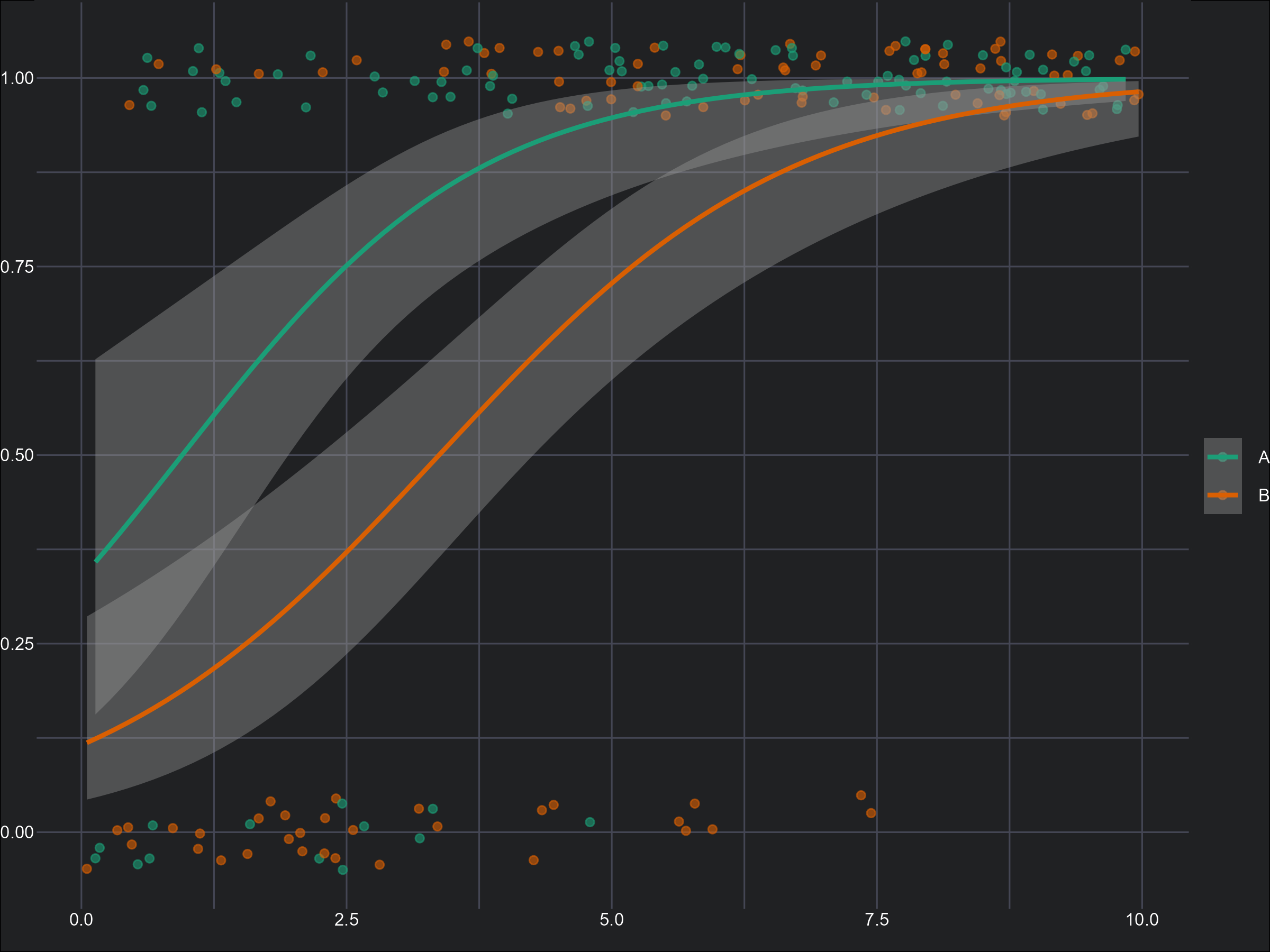 MODELS
Stats for Biologists
A practical route from linear models through to GLMs, built for biologists working in R.
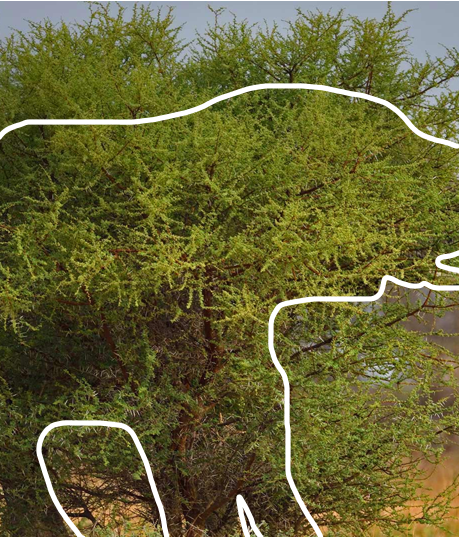 MODELS
Bayesian Occupancy Models
Occupancy modelling for presence/absence data with imperfect detection, theory and R.
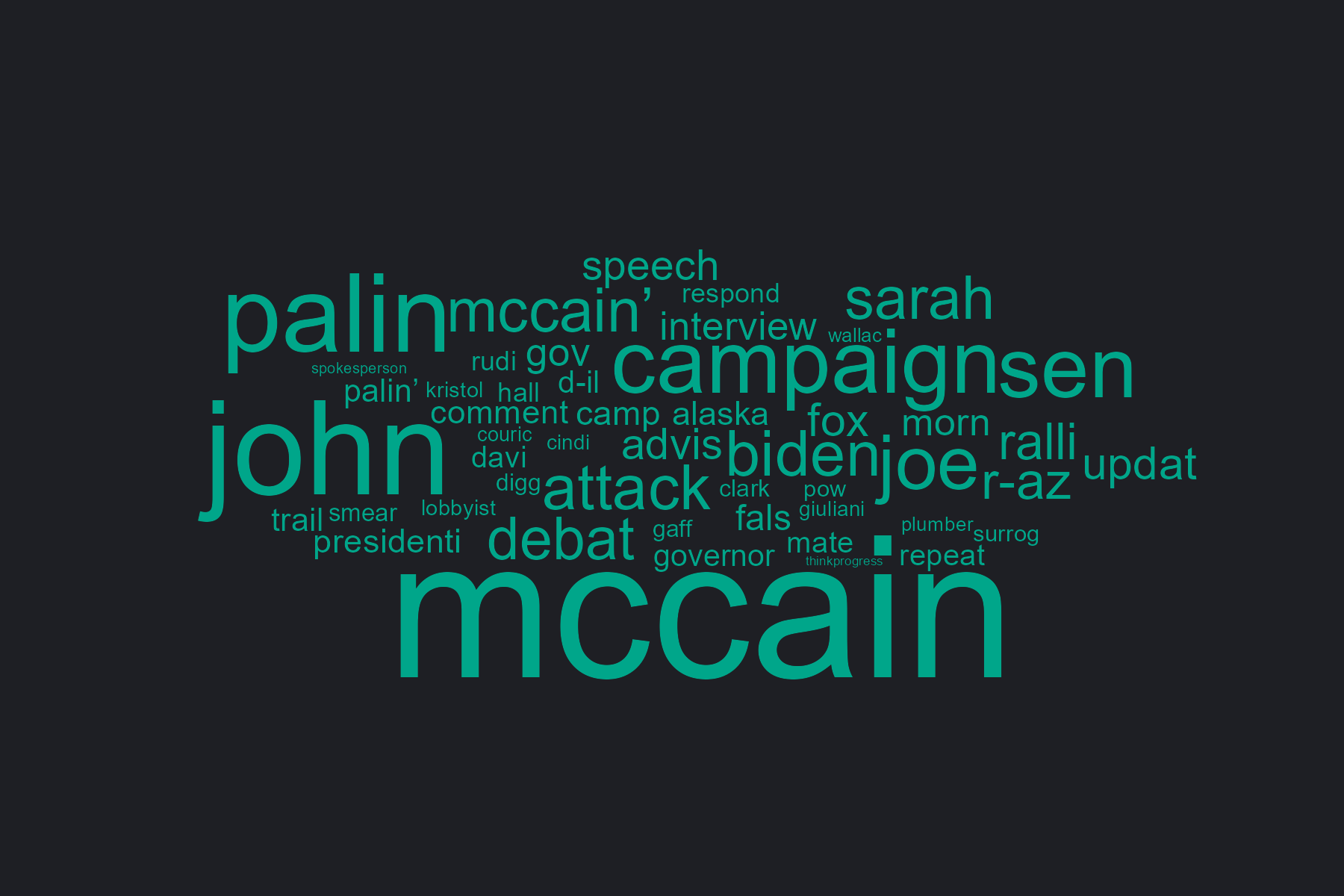 MODELS
Structural Topic Models
STMs for text analysis, written to be accessible without a machine-learning background.
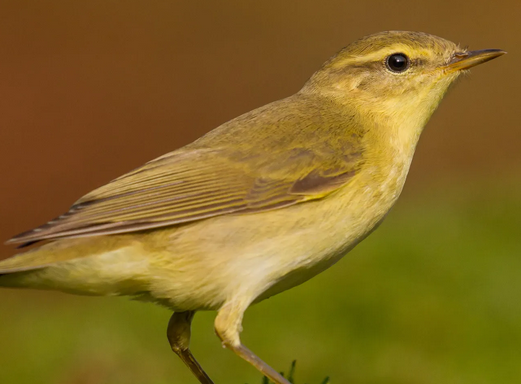 MODELS
Robust Design Mark-Recapture
Estimating population size and demographic parameters from capture-history data.
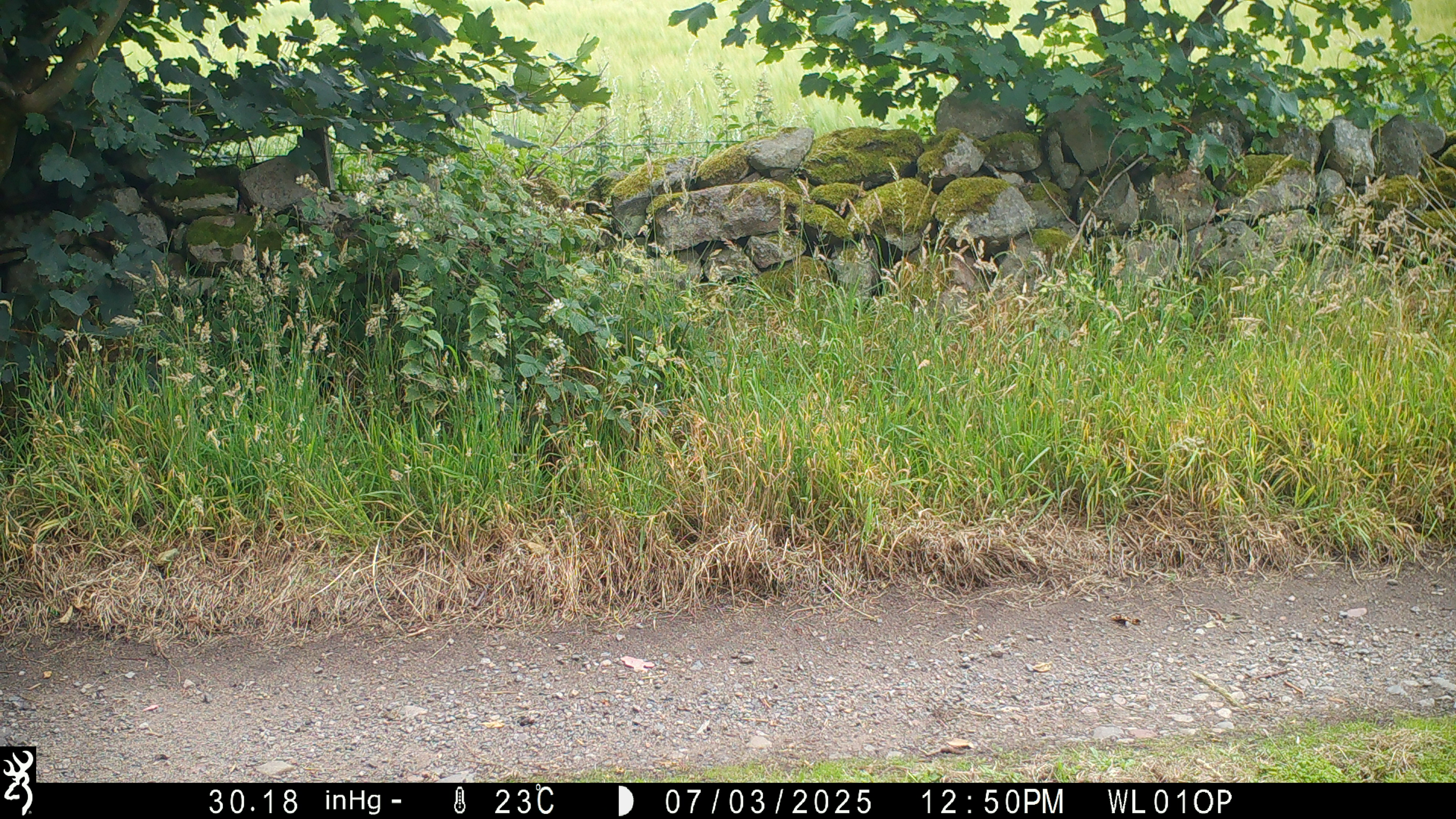 PROTOCOL
Camera Trap Pipeline
End-to-end protocol for the NE Scotland project: field recording to camtrapR detection histories.
 SOFTWARE
wildtag.ai
Desktop app for AI camera-trap image classification allowing the use of a variety of classification models (e.g. DeepFaune). Everything runs locally, work can be shared easily with colleagues, and no coding is required (amongst a host of other useful features). Co-authored with Chris Sutherland.
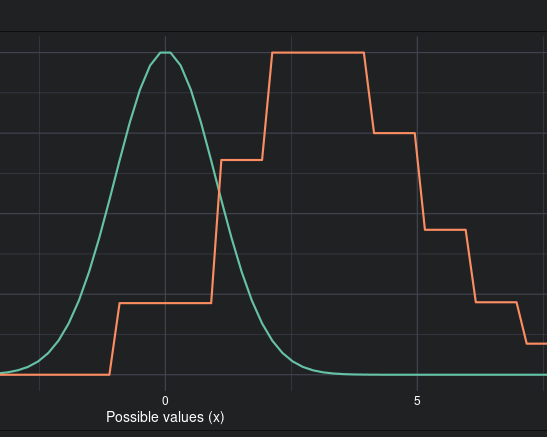 TEACHING AID
Statistical Distributions
Interactive explorer with adjustable parameters, to build intuition for how distributions behave.
PhD students I currently supervise, and the undergraduate honours theses I’ve supervised.
Integrated population models of tawny owls.
Geoprofiling methodology development.
Predicting vole population cycles using raptor data.
Refining spatial methodology for marine environments.
Currently Lecturer in Applied Statistics, University of Aberdeen, previously Senior Statistical Ecologist at the Animal & Plant Health Agency, and Teaching / Research Fellow at Aberdeen. PhD Ecology (rodent pest population dynamics) and a First-Class BSc Zoology, both Aberdeen.